Raw Metal Industry in Sri Lanka
Overview
Sri Lanka’s raw metal industry is a vital component of its light engineering and manufacturing sectors. The country is known for its foundry industry, which has roots tracing back to the second century BC. Modern developments have led to the establishment of various foundries specializing in the production of base metal products such as aluminum, brass, copper, and steel. These foundries serve as essential suppliers to industries like tea, rubber, oil, and marine engineering.srilankabusiness.com+1srilankabusiness.com+1srilankabusiness.com
Key Materials and Production
- Aluminum: While Sri Lanka lacks natural aluminum resources, the country relies on reclaimed aluminum for production purposes. Aluminum is used in various applications, including printed circuit boards (PCBs), which are effective due to their superior electrical insulation and thermal conductivity.srilankabusiness.com
- Brass: The brass industry in Sri Lanka has a rich history, with traditional brassware being a significant part of the country’s culture and national crafts. Central to this collection is the ornamental brass lamp, used to inaugurate almost every special function and ceremony.ceylonexpeditions.com
- Copper: Copper is another essential base metal in Sri Lanka’s industry, used in various applications due to its excellent electrical and thermal conductivity.srilankabusiness.com
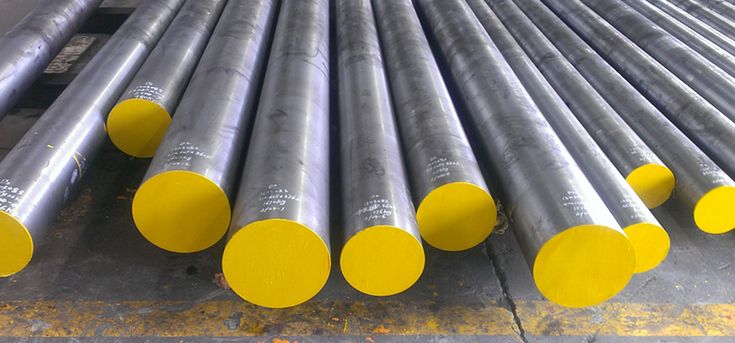
- Steel: Steel production in Sri Lanka includes the manufacturing of galvanized wire, with Lanka Special Steels Ltd. being the largest domestic manufacturer. The company operates with ISO 9001:2008 certification, ensuring high-quality production standards.ebcreasy.com
Challenges and Developments
In recent years, Sri Lanka has implemented measures to bolster its domestic metal industry. Notably, the government has restricted the export of scrap metals such as copper, aluminum, stainless steel, high carbon iron, brass, and zinc blocks to ensure a steady supply for local industries. This move aims to support small-scale industrialists and reduce reliance on imported raw materials.bizenglish.adaderana.lk+1castingssa.com+1
Carbon Steel and Mixed Metals in India
Market Trends
India’s carbon steel market has been experiencing significant growth, driven by factors such as industrialization, infrastructure development, and increased demand from sectors like automotive, construction, and manufacturing. The market is characterized by a diverse range of products, including low, medium, and high carbon steels, each catering to specific industrial needs.
Popular Carbon Steel Grades
- Low Carbon Steel (Mild Steel): This grade is widely used due to its excellent weldability and formability. It is commonly employed in the construction of structures, pipelines, and automotive components.
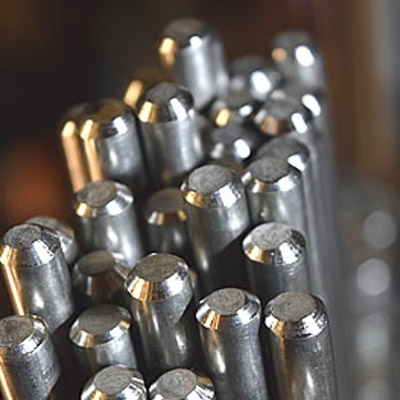
- Medium Carbon Steel: Offering a balance between strength and ductility, medium carbon steel is utilized in the manufacturing of gears, shafts, and other mechanical components.
- High Carbon Steel: Known for its hardness and wear resistance, high carbon steel is ideal for producing cutting tools, blades, and springs.
Carbon Steel Alloys
In addition to pure carbon steels, India also produces various carbon steel alloys, which include elements like manganese, chromium, and nickel to enhance specific properties such as strength, corrosion resistance, and heat resistance.
Comparative Analysis: Sri Lanka vs. India
| Feature | Sri Lanka | India |
|---|---|---|
| Primary Metals | Aluminum, Brass, Copper, Steel | Carbon Steel (Low, Medium, High), Alloys |
| Production Focus | Foundry-based manufacturing | Large-scale steel production |
| Market Drivers | Local industrial support, cultural heritage | Industrialization, infrastructure growth |
| Export Policies | Restricted scrap metal exports | Export-oriented steel industry |
| Technological Trends | Traditional craftsmanship, reclaimed materials | Advanced steel processing technologies |
Conclusion
Both Sri Lanka and India have developed robust metal industries, each with its unique strengths and challenges. Sri Lanka’s focus on foundry-based production and cultural heritage products contrasts with India’s large-scale steel production driven by industrialization. Understanding these dynamics is crucial for stakeholders looking to engage with or invest in the metal industries of these countries.